- Contacts
-
Firewood
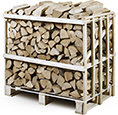
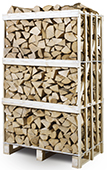
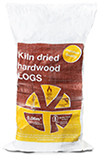
Firewood in large packageFirewood in small package
-
For clients
-
About us
-
Careers
- Investor relations





Blog
Packaging is usually the last line agreed in a wholesale firewood contract, and it is the one that decides what the buyer actually receives. Two deliveries can leave the same kiln at the same moisture content and arrive in very different condition, because the format they travelled in handled storage, weather and handling differently. This… View Article
Sourcing wholesale kiln-dried firewood involves more than comparing a price per pallet or cubic metre. Moisture content, log dimensions, packaging, production capacity and delivery planning all affect what eventually reaches the customer. Before confirming the next season’s volumes, buyers should understand exactly what a dry firewood supplier is offering and whether the same specifications can… View Article
A new stage in Vli Timber’s production capacity Vli Timber is developing a new production facility in Venice village, Jonava district. The project marks one of the most important growth stages in the company’s development and reflects a broader shift in the firewood industry. The new facility will cover approximately 7,000 m² of buildings, with… View Article
Firewood production has historically lacked engineering control Traditional firewood production has relied on natural drying, seasonal timing and operator experience. This creates variability that becomes problematic in larger-scale supply chains. Key challenges in traditional production: inconsistent moisture content across batches unpredictable drying duration storage losses due to uncontrolled conditions limited scalability In the context of… View Article
For a long time, firewood production followed a familiar pattern. Processes were shaped by experience, routine, and practical judgment built up over years of work. Decisions were often made manually, based on what had worked before rather than on clearly defined parameters. This approach reflected how the industry traditionally operated and is still visible across… View Article
Algorithmic drying is a data-driven method that controls wood moisture, airflow, and energy use in real time, ensuring consistent quality and predictable output in industrial firewood production. In traditional firewood production, drying has long been treated as a fixed, experience-based process. Set the temperature, wait for the cycle to finish, hope the result is “good… View Article
Environmental Impact of Kiln-Dried Firewood and Other Heating Fuels: What Is the Sustainable Choice?
In recent years, more people have been choosing heating solutions that not only warm their homes but also have a lower negative impact on the environment. Among the available options are kiln-dried firewood, gas, electricity, and heat pumps. But which of these solutions is truly sustainable – and which only appears to be so? Why… View Article
What Moisture Content Should High-Quality Firewood Have? The optimal moisture content of high-quality firewood ranges between 8% and 20%. Within this range, particulate emissions are at their lowest, while heat output reaches its highest efficiency. Scientific and laboratory studies confirm that firewood within this moisture interval delivers more usable energy, produces fewer emissions, and places… View Article
Why Moisture Content Matters Firewood moisture content is a fundamental factor in combustion efficiency, heat output, and stove performance. While it is commonly stated that only dry firewood should be used, it is the specific range of moisture that determines how well firewood performs in heating applications. Freshly cut wood can contain natural moisture levels… View Article
The firewood industry has long been shaped by tradition rather than performance. For decades, firewood was treated as a raw material: cut, stacked, sold, and burned, often without consistent standards or measurable quality indicators. Today, this approach is no longer sufficient. Rising energy efficiency requirements, tighter regulations, and higher expectations from both businesses and consumers… View Article