



Changing the Firewood Industry: What Has Actually Changed in the Last Decade
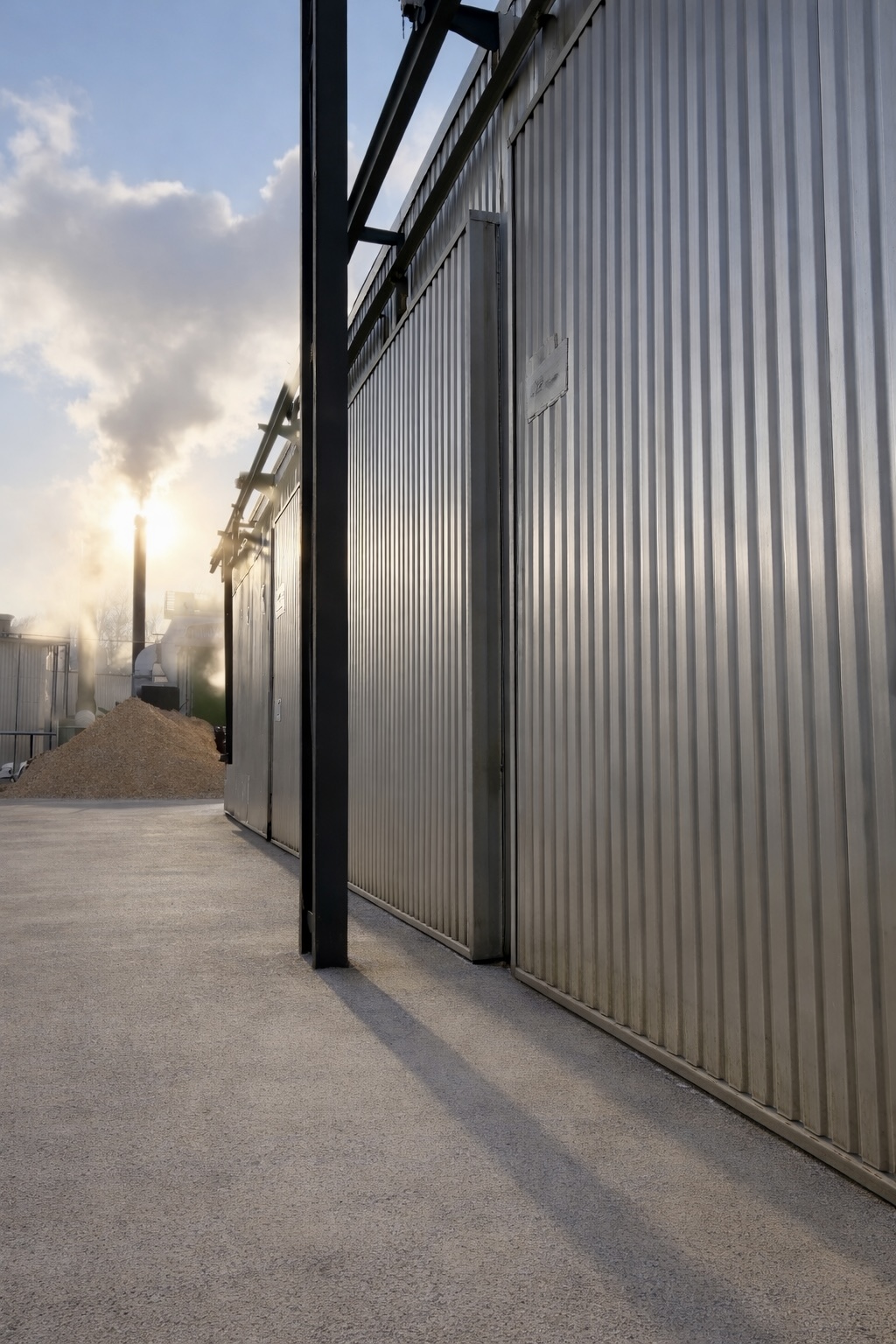
For a long time, firewood production followed a familiar pattern. Processes were shaped by experience, routine, and practical judgment built up over years of work. Decisions were often made manually, based on what had worked before rather than on clearly defined parameters. This approach reflected how the industry traditionally operated and is still visible across many markets today.
Over the past five to ten years, however, the firewood industry has begun to change in quieter, more fundamental ways. Not through dramatic announcements, but through gradual improvements in how production is understood, measured, and managed. At companies like VLI Timber, this shift has been driven by a clearer focus on engineered processes rather than isolated production steps (see our approach on the About Us page).
From intuition to measurable processes
One of the most noticeable changes in modern firewood manufacturing is the growing emphasis on measurable production parameters. Moisture control, drying cycle performance, and batch consistency are no longer assessed subjectively. Instead, they are monitored as part of a structured production system.
This does not remove human expertise. Experience still matters, but it is embedded into clearly defined workflows that help ensure repeatable results. As a result, firewood production becomes more predictable and transparent, both for internal teams and for long-term B2B partners.
Consistency as a production priority
In the past, variation between firewood batches was often accepted as unavoidable. Differences in moisture content or drying behavior were considered part of the product itself.
Today, expectations are different. Distributors and retail partners increasingly require consistent quality, not as a marketing claim, but as an operational necessity. Stable firewood quality supports more reliable storage, handling, and downstream logistics.
This has led manufacturers to rethink how drying, sorting, and quality control interact as a single system rather than independent stages.
Firewood as an engineered outcome
Another important shift is how firewood itself is perceived. Instead of being treated purely as raw material, it is increasingly understood as the result of a controlled production process.
Drying, for example, is no longer an isolated step. It is closely linked with raw material selection, process synchronization, monitoring, and continuous adjustment. When these elements work together, the final product becomes more consistent and predictable in performance.
This systems-driven mindset is a key part of what it means to be changing the firewood industry.
Less improvisation, more clarity
As production environments grow more complex, improvisation becomes less sustainable. While flexibility remains important, modern firewood manufacturing increasingly prioritizes clarity: defined processes, monitored performance indicators, and controlled adjustments.
This approach reduces operational uncertainty and helps production teams focus on long-term stability rather than short-term problem solving. It also supports clearer communication with partners who rely on predictable quality and delivery standards.
Check out our products page.
A gradual but meaningful shift
The transformation of the firewood industry did not happen overnight. It emerged through many practical decisions made on the production floor: refining processes, measuring what matters, and questioning long-standing assumptions.
This steady evolution – rather than sudden disruption – defines what changing the firewood industry looks like today. And as these practices become standard, they fade into the background, becoming part of how modern firewood production simply works.