

What Algorithmic Drying Controls, and What That Means for a Wholesale Buyer
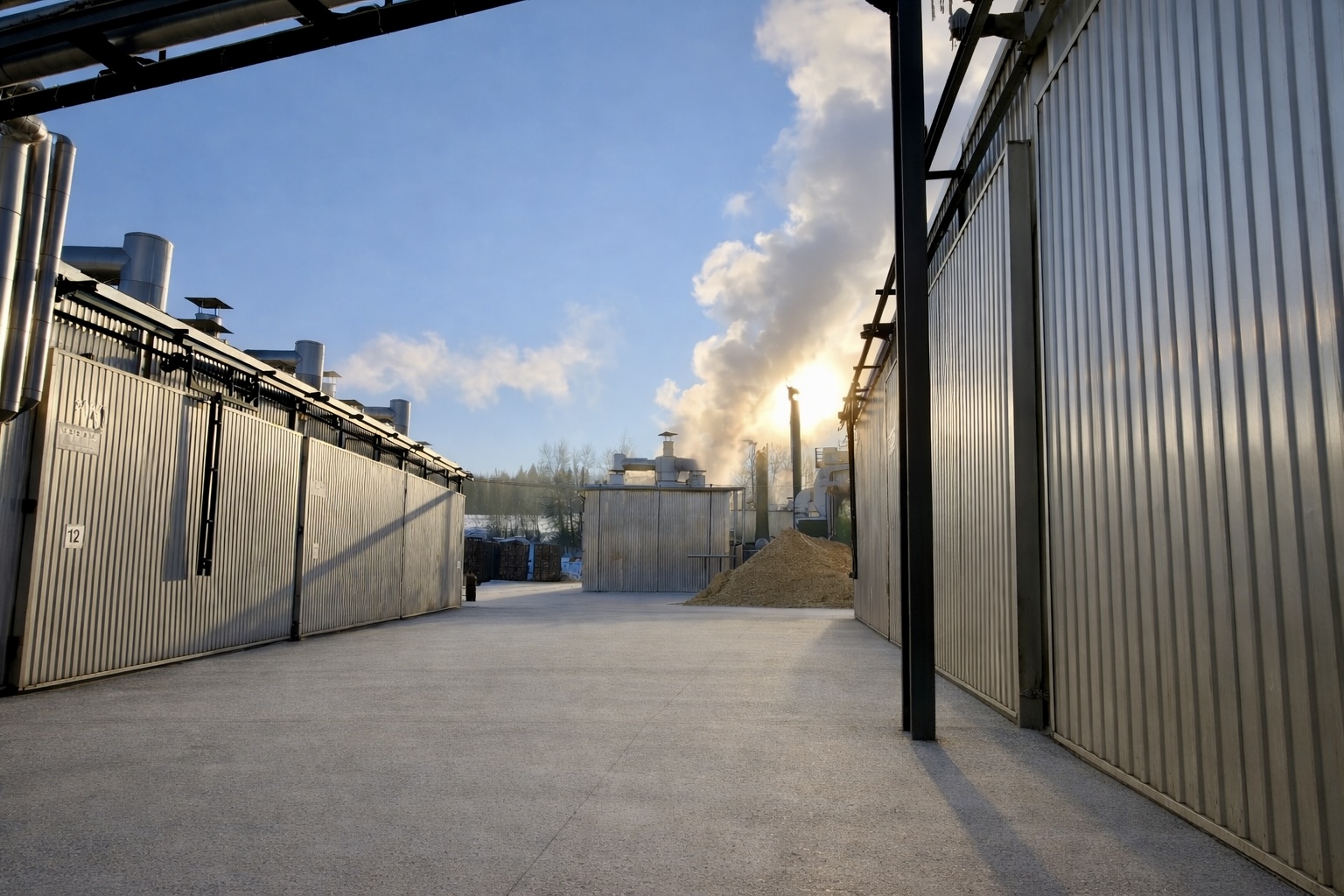
“Algorithmic drying” appears in firewood marketing often enough that the phrase has stopped carrying much weight. This article sets out what algorithmic drying means in Vli Timber production: which readings the system takes, what it adjusts while a batch is in the chamber, and which parts of the result a buyer can check on arrival.
A cycle that responds to the batch
A drying cycle can be run two ways. It can follow a fixed schedule, where the wood stays in the chamber for a set period and comes out when that period ends. Or it can follow the wood, where the length and the conditions of each stage depend on readings taken while the batch is drying.
We run the second. Sensors monitor the moisture of the wood along with air temperature, humidity and airflow. That data goes to the control system, and the drying algorithm adjusts the cycle on the basis of it.
The practical consequence is that two batches of different species, piece size or starting moisture receive different treatment, and both are worked towards the same target range.
What the system adjusts
Three things change during a cycle.
Temperature and airflow are regulated so that moisture leaves the wood in a controlled way and the wood is not over-dried. An individual stage is lengthened or shortened according to how the moisture reading is moving. And because the sensors keep reporting throughout, the settings can be refined up to the end of the cycle rather than fixed at the start.
Algorithmic drying works to one target across every batch: a moisture content of 10-18 %.
Why a range matters more than a word
“Kiln dried” describes the method. It says how the wood was treated, and that is useful information, though it leaves the result open.
A target range closes it. 10-18 % is a figure that can be written into a specification, measured with a meter and compared between two deliveries. It also gives both sides something concrete to point at when a load is questioned, which is where most firewood disputes actually end up.
A reading only means something alongside how it was taken. The method, the point measured on a piece and the way pieces are selected across a batch all shape the result. Measurements taken under comparable conditions are what allow two results to be compared at all. That is worth settling in the specification rather than at the moment of a complaint.
The part that scale does
A data-driven cycle is only useful if there is enough capacity to run it continuously through a season. The Vli Timber plant in Kurkliai has a nominal annual capacity of 175 200 m³, and kiln capacity of 21 chambers of 60 m³, which puts 1 260 m³ in drying at any one time.
That is what allows the same target to apply to a January batch and an August one. Drying becomes a production step scheduled against orders, and the season stops being the thing that determines what a customer receives.
What algorithmic drying does not cover
The algorithm governs the drying stage. It has no bearing on how the wood is handled after it leaves the chamber, and packaging is where a good moisture result is most often lost again. Firewood exchanges moisture with the air around it until the two balance out, so an open crate stored uncovered through a wet autumn will climb back up regardless of how it left the kiln.
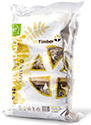
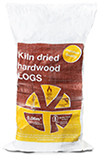
We covered the formats and what each one does for moisture stability in wholesale firewood packaging.
What to ask a supplier
Four questions separate a described process from a specified one.
What is the target moisture range, expressed as numbers. How is moisture measured, and on what part of the batch. Does the same target apply across the whole season, or only to the part of the year when conditions allow it. And what happens if a delivery falls outside the range.
Our answers to those, along with dimensions, packaging, lead times and certification, are set out in seven questions to ask a kiln-dried firewood supplier.
Firewood Industry 4.0 in practice
Firewood has been produced the same way for a long time, and most of the sector still runs on judgement and experience. Algorithmic drying changes what a supplier is able to commit to in writing, which is what Changing the Firewood Industry comes down to in a Vli Timber quotation.
The product range and the parameters we work to are on the Vli Timber product pages.
If you are specifying volumes for next season and want the moisture line written in, get in touch.
Vli Timber – Changing the Firewood Industry.