
Environmental Impact of Kiln-Dried Firewood and Other Heating Fuels: What Is the Sustainable Choice?
In recent years, more people have been choosing heating solutions that not only warm their homes but also have a lower negative impact on the environment. Among the available options are kiln-dried firewood, gas, electricity, and heat pumps. But which of these solutions is truly sustainable – and which only appears to be so?
Why It Is Important to Evaluate the Full Life Cycle
Heating solutions are often assessed only based on convenience or cost. However, when environmental impact is considered, a broader perspective is required – one that includes resource extraction, processing, transportation, combustion, and remaining waste. Only by evaluating the entire life cycle can we objectively determine which heating option is genuinely sustainable.
A Renewable Heat Source – When Managed Responsibly
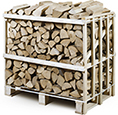
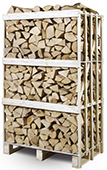
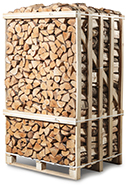
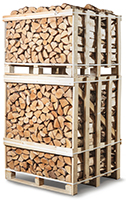
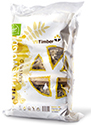
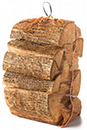
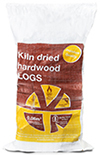
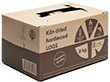
Firewood is a renewable energy source, and high-performance kiln-dried firewood represents one of its most efficient forms. At VLI Timber, firewood is produced using controlled industrial drying processes that achieve an optimal moisture content of approximately 10–18%. This allows for higher heat output while using less fuel.
Most importantly, wood releases the same amount of CO₂ during combustion as it absorbed while growing, provided that sustainable forest management is ensured. When forests are responsibly managed and replanted, firewood heating does not expand the overall greenhouse gas balance in the way fossil fuels do.
More about VLI Timber’s approach to responsible production can be found on the About VLI Timber page.
Gas and Electricity: Convenience with Hidden Environmental Costs
Gas heating is often presented as a cleaner option, yet it remains a fossil fuel. Its extraction, transportation, and combustion all contribute to climate change. Electricity – particularly when generated from non-renewable sources such as coal or gas – also carries a significant indirect CO₂ footprint that is not visible at the point of use.
In addition, both gas and electricity are typically dependent on centralized infrastructure, making them less flexible and more vulnerable to price fluctuations.
Local, Simple, and Efficient Heating
Kiln-dried firewood is often produced and delivered locally, which reduces emissions associated with long-distance transportation and limits dependence on global supply chains. This fuel does not require complex infrastructure, expensive equipment, or intensive technical maintenance.
As a result, kiln-dried firewood is a practical and transparent heating choice for homeowners who value both efficiency and responsibility. An overview of VLI Timber’s kiln-dried firewood production and industrial capabilities is available on the VLI Timber website.
Sustainable Heat for Modern Homes
High-performance kiln-dried firewood is not a nostalgic return to the past – it is a modern and rational sustainability solution. It represents an efficient, economical, and ethical heating option that can provide reliable warmth while reducing negative environmental impact during each heating season.
For technical information, bulk supply, or cooperation enquiries, you can contact the VLI Timber team directly via the Contact VLI Timber page.