

Algorithmic Drying: How Data Changes the Outcome
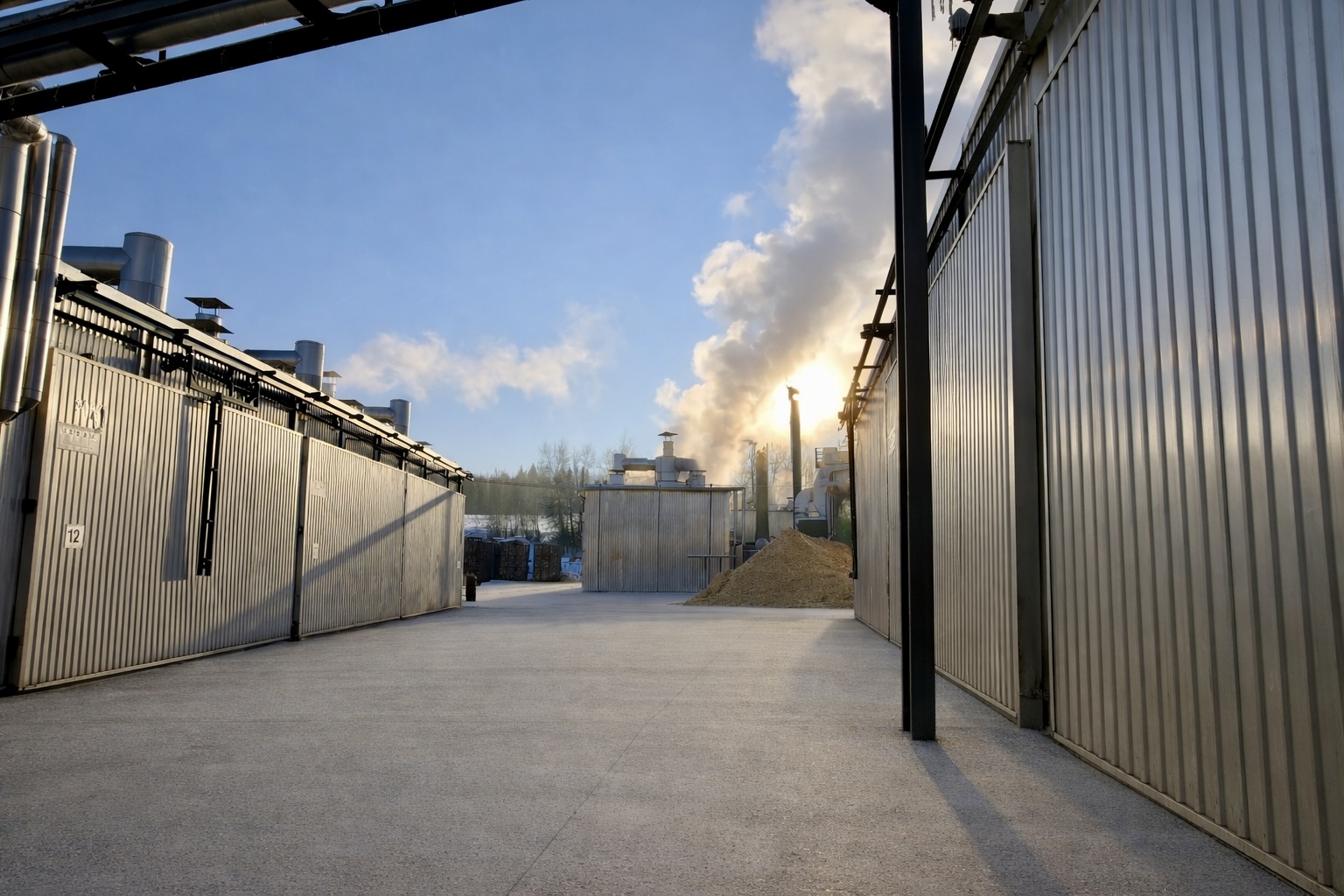
Algorithmic drying is a data-driven method that controls wood moisture, airflow, and energy use in real time, ensuring consistent quality and predictable output in industrial firewood production.
In traditional firewood production, drying has long been treated as a fixed, experience-based process. Set the temperature, wait for the cycle to finish, hope the result is “good enough.”
In modern industrial energy markets, that logic no longer works.
At VLI Timber, drying is not a background step. It is a controlled, data-driven system that directly determines energy efficiency, product consistency, and scalability. This is where algorithmic drying fundamentally changes the outcome.
What is algorithmic drying?
Algorithmic drying is a production method where wood drying is controlled by real-time data instead of human intuition.
Sensors continuously monitor:
-
moisture content inside the wood,
-
air temperature and airflow,
-
humidity levels,
-
drying speed and energy input.
These data points feed into proprietary algorithms that automatically adjust drying parameters throughout the cycle, forming the foundation of data-driven production systems used in modern industrial firewood manufacturing.
The system reacts instantly to changes in the material, not after problems appear.
Result: predictable moisture levels, shorter cycles, and repeatable quality across every batch.
Why does traditional drying limit performance?
Conventional kiln drying often relies on static settings and seasonal assumptions. This leads to several structural problems:
-
uneven moisture distribution between logs,
-
longer drying times to compensate for uncertainty,
-
higher energy consumption,
-
inconsistent combustion performance for end users.
From an energy perspective, moisture variability means lost calorific value. From an industrial perspective, it limits scale and reliability.
Algorithmic drying removes these variables by treating drying as a dynamic process rather than a fixed routine.
How do data-driven drying algorithms improve efficiency?
The key difference is feedback.
Instead of running one predefined cycle, the algorithm:
-
shortens or extends phases based on real conditions,
-
balances airflow and temperature to avoid overdrying,
-
optimizes energy use at every stage,
-
synchronizes drying with upstream and downstream processes.
At VLI Timber, this approach enables faster drying cycles with lower energy input, while maintaining consistent output parameters. Efficiency is not claimed – it is measured and tracked in real time.
Does algorithmic drying affect product quality?
Yes – and directly.
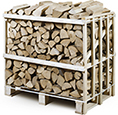
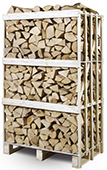
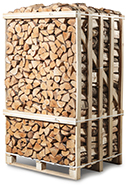
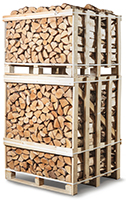
Moisture consistency is the single most important factor influencing firewood performance. Algorithmic drying ensures that each pallet reaches the same target range, batch after batch.
That consistency translates into:
-
stable energy output,
-
predictable behavior during use,
-
easier logistics planning for B2B partners,
-
reduced quality complaints.
In short, quality becomes repeatable rather than dependent on conditions or experience.
How does algorithmic drying change the firewood industry?
Algorithmic drying is not a feature – it is a structural shift in how firewood is produced.
Instead of treating drying as a standalone step, the process becomes part of an integrated production system where data connects every stage: from raw material selection and cutting to packaging, production planning, and logistics.
Drying no longer reacts to problems after they occur. Data flows across the entire value chain, enabling decisions to be made before inefficiencies appear. This approach reflects how changing the firewood industry means moving away from tradition and toward engineered, measurable systems.
Why does this matter for partners and markets?
For distributors, retailers, and large buyers, algorithmic drying delivers what the market increasingly demands:
- consistent quality,
-
uniform product specifications,
-
stable long-term performance,
-
scalability without quality loss.
These factors are essential for long-term cooperation with industrial manufacturers operating at scale across multiple markets.
For energy markets under efficiency and sustainability pressure, algorithmic drying provides a measurable way to reduce waste and optimize resource use.
The takeaway
Algorithmic drying is not about making firewood “more advanced” in abstract terms. It is about turning drying into a controlled engineering process where outcomes are defined by data, not guesswork.
At VLI Timber, this shift is already operational — embedded in daily production, proprietary systems, and measurable results. It is one of the clearest examples of how data changes not just the process, but the final product itself.
This is how firewood becomes engineered energy